
HomeHolographic Stamping Foils
Holographic Hot Stamping Foils for Anti-Counterfeit & Premium Branding
Custom holographic hot stamping foils for premium packaging and labels, designed to enhance brand appeal, authenticate products and protect against counterfeiting across India and global markets
What are Holographic Hot Stamping Foils?
Holographic hot stamping foils are heat-transferable security films embedded with 3D holographic images. Applied to pharma, auto, and food labels, they provide tamper-proof authentication and integrate seamlessly into existing production lines.
How Hot Stamping Works
Holographic images transfer via heat onto paper, films, and fabrics. This hot stamping process delivers decorative appeal while ensuring strong authentication across multiple substrate types.
Advanced Anti-Counterfeit Protection
Custom-designed foils, supplied in rolls, embed high-security holographic features. They effectively prevent duplication, tampering, and forgery—trusted by leading brands across industries.
Premium Branding on Consumer Touchpoints
Transfer holographic images onto pharma labels, cartons, tickets, and coupons. This elevates branding, adds premium appeal, and provides tamper-evident security at critical consumer points.

Running or Continuous Design Holographic Hot Stamping Foils
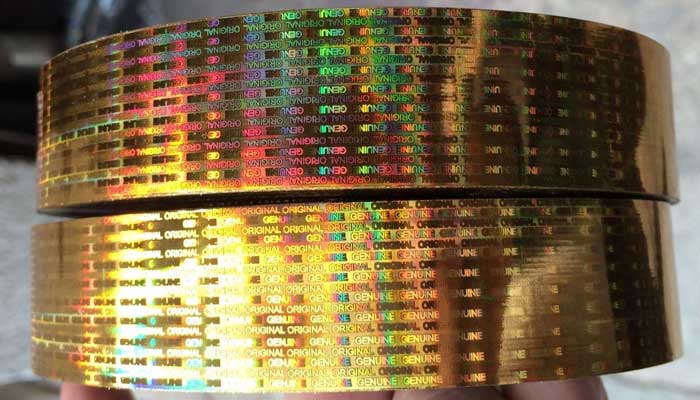
Holographic hot stamping foils leverage a precision heat-transfer process to embed striking 3D images, brand logos, and authenticity texts like “Genuine” and “Original” onto product labels, packaging cartons, and vital documents. This technology delivers robust anti-counterfeit protection across banking, pharmaceuticals, F&B, tobacco, and wine & spirits—securing checks, stamp papers, currency notes, tickets, and cartons. Fully compatible with existing production lines, these foils combine decorative appeal with tamper-proof security, reinforcing brand credibility and consumer trust.

Holographic Hot Foils with Eye Mark for Precise Stamping
Registered holographic hot stamping foils feature precision eye marks that guide automated machines to apply holograms with exact placement accuracy across every label, card, or product. This precise registration guarantees consistent, uniform results—essential for high-security authentication—as demonstrated by the perfectly aligned holograms on leading credit cards like RuPay, Mastercard, and Visa. Beyond strengthening anti-counterfeit measures, these eye mark-enabled foils minimize misalignment errors, significantly boosting production efficiency and safeguarding brand integrity.
Holographic Hot Stamping Foils Applications
Holographic hot stamping foil secures packaging, government IDs, bank cards, event tickets, and luxury goods. It fights counterfeiting, protects brand reputation, and enhances visual appeal across diverse industries.
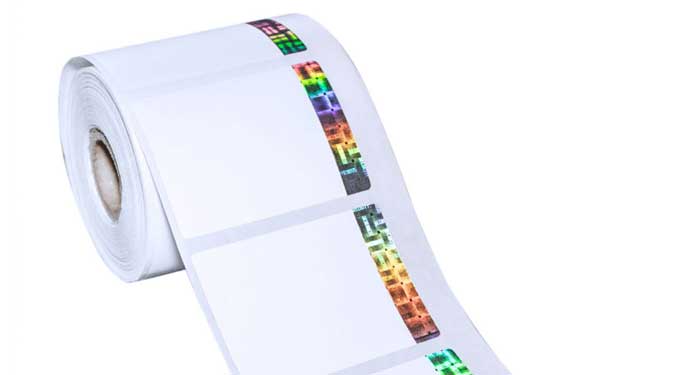
Holographic Hot Stamping Foils for Plain Paper Labels
Holographic hot stamping foils use heat transfer to turn plain paper labels into vibrant, multidimensional designs. This process ensures perfect adhesion, delivers eye-catching visuals, and adds a crucial anti-counterfeit layer that makes labels exceptionally hard to forge or replicate.
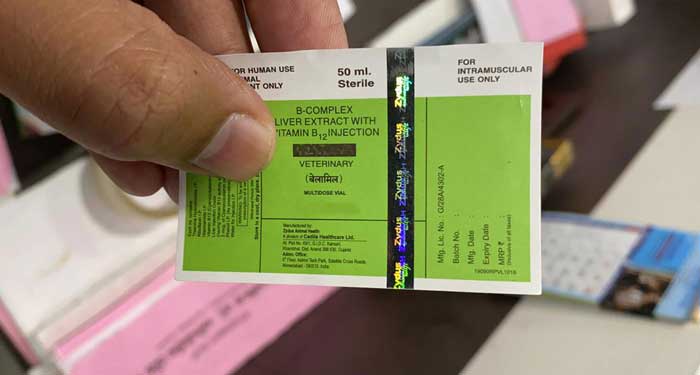
Holographic Hot Stamping Foils for Pharma Labels
Holographic hot stamping foils elevate pharmaceutical labels with heat-transferred, multidimensional visuals that are extremely hard to copy. This anti-counterfeit layer ensures product authenticity, protects brand reputation, and safeguards consumers—all while delivering premium shelf appeal for medicines and healthcare packaging.

Holographic Hot Stamping Foils for Automobile Labels
Holographic hot stamping foils deliver striking visuals and robust anti-counterfeit security for automobile labels. They enhance brand logos and compliance tags, protect spare parts against duplication, and ensure component authenticity. This sophisticated, reliable solution builds consumer trust across the automotive sector.
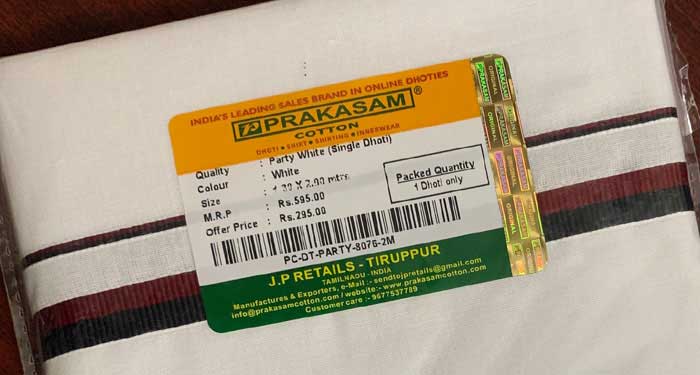
Holographic Hot Stamping Foils for Textile Labels
Through precise heat transfer, holographic hot stamping foils elevate textile labels with eye-catching, multi-dimensional effects. These intricate patterns enhance visual appeal and resist counterfeiting effectively. Perfect for luxury apparel brands, this solution merges premium aesthetics with durable, tamper-proof security to safeguard authenticity.
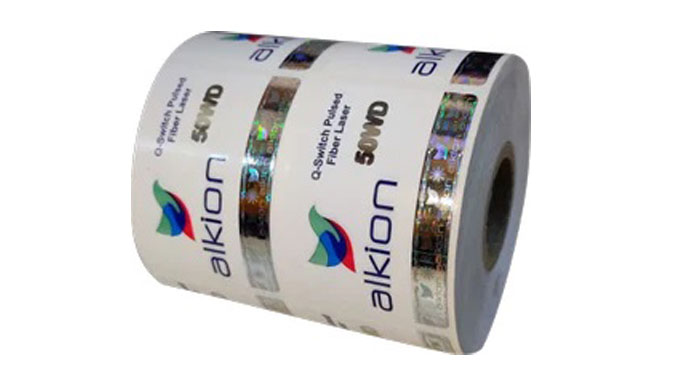
Holographic Hot Stamping Foils for FMCG Labels
Holographic hot stamping foils make food labels pop with vibrant, eye-catching designs. They add a premium look for shelf standout, while offering tamper-evident security against counterfeiting. Perfect for FMCG branding, this solution blends visual impact with robust protection in competitive retail markets.
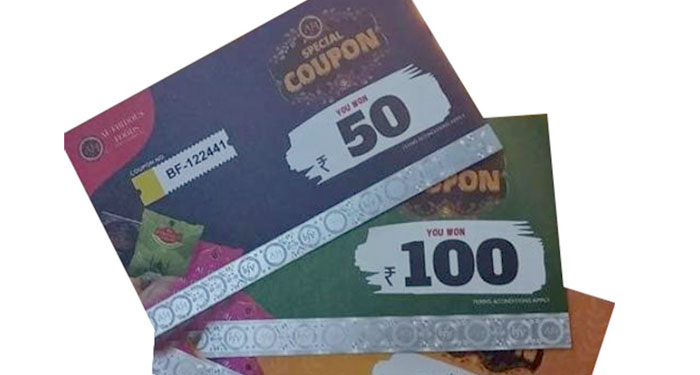
Holographic Hot Stamping Foils for Coupons
Applied via heat transfer, holographic hot stamping foils create eye-catching, multi-dimensional effects on coupons and promotional materials. Beyond visual appeal, intricate holographic patterns prevent duplication and fraud. Perfect for marketing campaigns, this solution delivers engaging, secure, and authentic promotional items that build consumer trust.
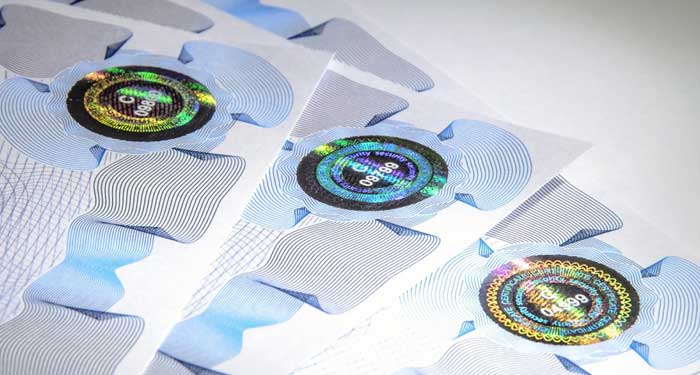
Holographic Hot Stamping Foils for Certificates
Holographic hot stamping foils offer precise, elegant security for certificates through eye mark registration. This ensures perfectly aligned, seamless holographic designs with vibrant effects. They provide essential anti-counterfeiting protection for academic, corporate, and achievement certificates—making them a trusted choice for premium, secure documentation.
Holographic Hot Stamping Foil Transfer Process
Holographic hot stamping foils create shimmering, 3D security designs on paper, plastic, or metal. Two primary machines apply them: flatbed for precision and rotary for high-speed continuous stamping.
Flatbed Hot Stamping Machine: Precision Holographic Foil Transfer for Small to Medium Runs
Overview
Flatbed hot stamping machines use a heated die in a vertical press motion to transfer holographic foils onto flat substrates with high accuracy.
Process
Place the substrate on the flatbed, position the holographic foil between the die and surface, then apply controlled heat and pressure. The heated die presses down, transferring the holographic design seamlessly.
Applications
Ideal for small to medium production runs, thick/rigid materials, and intricate designs. Commonly used for packaging, premium labels, book covers, security documents, and certificates.
Advantage
High precision and sharp detail retention.Handles uneven or irregularly shaped substrates.
Quick setup and easy changeover for varied designs.
Limitations
Slower stamping speed versus rotary machines.
Not economical for high-volume mass production.
Rotary Hot Stamping Machine: High-Speed Holographic Foil Transfer for Volume Production
Overview
Rotary hot stamping machines use a continuous rotating cylinder motion to transfer holographic foils onto substrates at high speed—ideal for large-volume production.
Process
The substrate and holographic foil pass between a heated rotating cylinder (bearing the engraved design) and a counter-pressure roller. As the cylinder turns, the foil transfers seamlessly onto the substrate in a continuous, uninterrupted motion.
Applications
Designed for high-speed, high-volume production, including roll-to-roll printing, flexible packaging, self-adhesive labels, thin films, and shrink sleeves.
Advantages
Faster stamping speeds for cost-effective mass production.
Consistent quality with even pressure distribution.
Excellent for thin, flexible, and heat-sensitive materials.
Limitations
Less effective for thick or rigid substrates.
Higher initial setup cost and greater operational complexity.
Both flatbed and rotary hot stamping machines can effectively transfer holographic hot stamping foils, but the choice depends on the specific requirements of the project, such as production volume, material type, and design complexity. Flatbed machines excel in precision and versatility for smaller runs, while rotary machines dominate in speed and efficiency for large-scale production.
Advantages of Holographic Hot Stamping Foils
For companies and organizations trying to safeguard their products and reputation, hologram hot stamping foil has several advantages. The following are some of the primary advantages of Holographic hot stamping foil.
Anti-Counterfeit Security with Holographic Foils
Holographic hot stamping foils create 3D images that prevent counterfeiting, tampering, and duplication. They offer durable, weather-resistant protection that lasts throughout the product's lifecycle.
Visual Appeal & Custom Branding
Holographic foils add eye-catching 3D effects that enhance product aesthetics. They can be customized with unique patterns, logos, and branding elements—making products stand out while boosting brand recognition.
Protect Brand Reputation & Revenue
Counterfeiting and tampering can severely damage brand reputation and revenue. Holographic hot stamping foils provide robust protection, helping brands preserve their market standing and profitability.
Safeguard Reputation & Earn Consumer Trust
Holographic foils protect brand reputation and revenue while giving consumers visible authentication markers. This dual benefit ensures buyers recognize genuine products and brands maintain credibility.
Advanced Anti-Counterfeiting & Security Features of Hot Stamping Foils
Protect your intellectual property, verify official documents, and defend supply chain logistics with our high-security heat-transfer solutions. From precision sensor-guided alignment to complex custom optical matrices, we engineer robust counterfeit-proof hot stamping foils tailored to strict global compliance standards.
Industry-Specific Security Labeling
- Holographic Hot Stamping Foils for Pharma Labels: Protect consumer health and comply with strict medical regulations using tamper-evident hot stamping foils for pharma labels that prevent drug counterfeiting.
- Holographic Hot Stamping Foils for Cosmetic Labels: Safeguard premium beauty products from black-market duplication using brilliant, high-adhesion holographic hot stamping foils for cosmetic labels.
- Holographic Hot Stamping Foils for FMCG Labels: Prevent package tampering and verify retail authenticity in high-turnover consumer markets with specialized hot stamping foils for FMCG labels.
- Holographic Hot Stamping Foils for Electronics Labels: Defend expensive high-tech hardware and sensitive components from warranty fraud using micro-structured hot stamping foils for electronics labels.
Document Security & Financial Authentication
- Holographic Hot Stamping Foils for Certificates: Secure academic transcripts, legal documents, and official diplomas using unforgeable hot stamping foils for certificates featuring complex, covert optical patterns.
- Holographic Hot Stamping Foils for Tickets & Coupons: Stop coupon fraud and event ticket duplication at the source by applying heat-transferred holographic hot stamping foils for tickets & coupons.
- Holographic Hot Stamping Foils for Textile Labels: Authenticate luxury apparel and high-end fashion merchandise securely with wash-resistant holographic hot stamping foils for textile labels.
Machine Alignment & Industrial Formatting
- Holographic Hot Stamping Foils with Eye Mark: Achieve flawless, automated alignment on high-speed production machinery using registered holographic hot stamping foils with eye mark technology.
- Holographic Hot Stamping Foils Running Design: Deploy continuous, repeating security patterns across massive print runs using cost-effective holographic hot stamping foils running design configurations.
- Holographic Hot Stamping Foils for Paper Labels: Upgrade standard inventory stock effortlessly into secure, premium branded elements using highly versatile holographic hot stamping foils for paper labels.
Proprietary Customization & Bulk Supply
- Custom Holographic Hot Stamping Foils: Build total brand exclusivity and defeat counterfeit operations by engineering custom holographic hot stamping foils embedded with your unique corporate logo.
- Generic Holographic Hot Stamping Foils: Access rapid, budget-friendly authentication layers for general supply chain validation using pre-designed generic holographic hot stamping foils.
- Holographic Hot Stamping Foils: Source high-performance, industry-tested holographic hot stamping foils from an established leader to secure your commercial assets globally.
FAQ's - Holographic Hot Stamping Foils
What are holographic stamping foils used for?
Holographic stamping foils are specialty films used in the hot stamping process to apply dazzling, metallic, and three-dimensional holographic effects to various surfaces. They are primarily used for brand enhancement, security, and aesthetic appeal on products like packaging, labels, publications, certificates, and promotional items.
What materials can I use Holoseal foils on?
Our foils are engineered to work on a wide range of materials, including:
Papers & Cards: Coated, uncoated, and laminated stocks.
Plastics: PVC, PET, Polypropylene, and ABS.
Metallized Surfaces: For creating striking layered effects.
Varnished Surfaces: Certain UV and aqueous coatings. (We recommend requesting a sample roll to test compatibility with your specific substrate.)
Are your holographic foils customizable?
Absolutely! We specialize in customization. You can create a unique brand identity with:
Custom Holographic Patterns: Design an exclusive pattern or motif.
Branded Security Features: Incorporate microtext, QR codes, or company logos for anti-counterfeiting.
Master Origination: We can produce a brand new master shim based on your artwork.
Standard Patterns: We also offer a wide selection of stock patterns for immediate use, like with text “original” “genuine” etc..
Do these foils offer security features?
Yes, many of our holographic foils are ideal for security applications. They can be customized with features such as kinetic movement effects and microtext that are extremely difficult to replicate, making them perfect for protecting brands, documents, and high-value products.
What is the minimum order quantity (MOQ) for custom foils?
We understand the need for flexibility. For custom holographic foil orders, our standard MOQ is 150 Sq. Meter per design. However, we encourage you to contact our sales team to discuss your specific project needs, as we may be able to accommodate smaller quantities for testing or specific applications.
How do I determine the right foil for my application?
The best foil depends on your substrate (material), the stamping machine, and the desired effect. Our technical experts are here to help you choose the perfect foil. Please contact us with details about your application, and we will provide a specific recommendation and complimentary samples.
Can I get samples before placing a bulk order?
Yes, we highly encourage it! We offer sample rolls of our standard patterns so you can test the foil on your production line and ensure it meets your expectations for adhesion, finish, and visual impact. Please reach out to our team to request samples.
What are the available foil sizes and specifications?
Our foils are available in standard widths and lengths to fit most hot stamping machines. Common specifications include:
Widths: Ranging from 8mm to 150mm.
Lengths: Typically 300 meters per roll (on 1″ cores).
Packaging: Shipped on pallets for protection.
Detailed technical data sheets are available upon request.
How should I store the holographic foils?
To preserve their quality and ensure optimal performance, store the foil rolls in a cool, dry place away from direct sunlight and moisture. Ideal storage conditions are at room temperature (20-25°C) with low humidity. Keep the rolls in their original packaging until ready for use.
I'm new to hot stamping. Can you provide technical support?
Certainly! Our team doesn’t just sell foils; we provide solutions. We offer comprehensive technical support, including guidance on machine settings (temperature, pressure, dwell time) and best practices for achieving a perfect stamp every time.
How do I request a quote?
Requesting a quote is easy. Simply visit our contact us page, fill out the form with your details about substrate type, desired pattern, and estimated quantity, and our sales team will get back to you with a competitive quotation promptly.
What is the difference between a standard pattern and a custom origination?
Standard Patterns: These are pre-made, “off-the-shelf” holographic generic texts (like “original”, “genuine” etc.). They are cost-effective and available for immediate shipment with lower MOQs.
Custom Origination: This involves creating a brand new, unique master shim exclusively for your brand. This process has a higher initial cost and MOQ but results in an unforgeable, proprietary security or branding element.
What is the typical lead time for custom origination and foil production?
The lead time can vary based on the complexity of the design.
Custom Origination (Master Development): Typically takes 1-2 weeks.
Foil Manufacturing: After the shim is approved, production for a custom foil order usually takes 2-3 weeks.
Lead times for standard pattern foils are significantly shorter. We always provide an estimated timeline upon order confirmation.
What hot stamping machines and presses are your foils compatible with?
Our foils are compatible with all major brands of hot stamping machinery, including:
Flatbed Presses: Ideal for labels, packaging, and smaller, flat surfaces.
Rotary/Roll-on Presses: Used for high-speed, continuous applications like rolling on film or paper webs.
Vertical Presses: Often used for specific applications like cosmetics or electronics.
Our foils are engineered to perform consistently across different machine types.
What are the key factors for achieving a perfect stamp?
A perfect stamp depends on three critical parameters:
Temperature: Too low and the foil won’t transfer fully; too high and it can scorch the substrate or the foil.
Pressure: Insufficient pressure leads to a patchy transfer; too much can cause die bounce or crush the substrate.
Dwell Time: The duration the die is in contact with the substrate. This must be calibrated for the specific material and machine speed.
We provide recommended starting parameters with all our foil shipments.
My foil is not adhering properly. What could be the cause?
Poor adhesion can be caused by several factors:
Incorrect Machine Settings: Temperature, pressure, or dwell time is off.
Substrate Issues: The surface might be contaminated with silicone, dust, or oils, or the varnish/coating may be incompatible.
Die Condition: A worn-out or damaged die won’t apply heat and pressure evenly.
Our technical support team can help you troubleshoot adhesion issues.
Do you offer environmentally friendly or recyclable foil options?
We are committed to sustainability. We offer foils that are compatible with standard paper recycling streams. The amount of foil used is minimal, and during the recycling process, it is typically separated from the paper pulp.
What is your policy on defective materials?
We stand by the quality of our products. If you receive a roll that is defective (e.g., core issues, slitting errors, or consistent transfer problems not related to machine setup), please notify us immediately. We will arrange for an inspection and, if confirmed, provide a replacement.
Do you provide art file guidelines for custom origination?
Yes. For the best results in creating your custom holographic master, we require artwork in a specific vector-based format (like CorelDraw). We will provide you with a detailed Artwork Guideline document upon inquiry to ensure a smooth and accurate origination process.
Flatbed vs. Rotary Hot Stamping — which machine should I use?
Flatbed machines offer higher precision for small to medium runs and handle thick or uneven substrates well. Rotary machines run continuously at high speed, making them better suited for large-volume, roll-to-roll production on thin, flexible materials.
Holographic Hot Stamping Foil vs. Holographic Lamination Film — which is right for my packaging?
Hot stamping foil transfers a holographic design onto specific, targeted areas using heat and pressure — ideal for logos or security patches. Lamination film covers the entire surface for full-panel holographic effects, better suited when the whole package needs the shimmer.
Hot Stamping Foil vs. Cold Foil — what's the real difference?
Hot stamping uses heat and a metal die to transfer the design, offering crisp detail and strong durability. Cold foil is applied at room temperature using adhesive and UV curing during offset printing — faster for high-speed runs but generally less precise for fine holographic detail.
Running/Continuous Design Foil vs. Eye Mark Registered Foil — which suits my application?
Running design foil applies a repeating pattern continuously across the substrate, ideal for general branding and text like “Genuine” or “Original.” Eye mark registered foil uses precision sensors for exact, repeatable placement — essential for high-security items like bank cards where alignment must be perfect every time.
Holographic Foil vs. Standard Metallic Foil — is the security upgrade worth it?
Standard metallic foil adds shine and visual appeal but offers no inherent anti-counterfeit function. Holographic foil embeds three-dimensional optical effects that are extremely difficult to replicate, turning a purely decorative element into a genuine security feature.
Flatbed vs. Vertical Press — when does each make sense?
Flatbed presses suit flat, rigid substrates like packaging and certificates. Vertical presses are typically used for curved or specialty items such as cosmetics containers and electronics housings, where the stamping angle needs more flexibility.
Kinetic Movement Effects vs. Microtext — which security feature is stronger?
Kinetic movement effects create visible motion or color shifts as the viewing angle changes, offering instant visual verification. Microtext embeds tiny, magnification-only text for covert authentication — the two are often combined for both consumer-facing and forensic-level security.
Foil for Pharma Labels vs. Foil for FMCG Labels — how do requirements differ?
Pharma foil prioritizes tamper-evidence and regulatory-grade authentication to protect patient safety. FMCG foil leans more toward shelf-standout visual appeal, though both can include anti-counterfeit features depending on the product’s risk profile.
PVC vs. PET Substrate Compatibility — does the material affect foil choice?
PET substrates generally offer stronger adhesion and durability for holographic foil transfer. PVC works well for certain flexible or curved applications but may need adjusted temperature and pressure settings — Holoseal’s foils are engineered to work across both.
Custom Master Origination vs. Standard Stock Pattern Foil — which has the faster turnaround?
Standard stock patterns (like “Original” or “Genuine” text) ship quickly with lower MOQs since no new master is needed. Custom origination takes 1-2 weeks to develop a unique master shim before production even begins — slower, but the result is proprietary and unforgeable.
Foil for Certificates vs. Foil for Coupons — what changes in application?
Certificate foiling prioritizes precise eye-mark registration for a polished, official appearance on academic or corporate documents. Coupon foiling focuses more on fraud prevention and eye-catching promotional appeal, often using simpler running designs for cost efficiency.
High-Speed Rotary Stamping vs. Slower Flatbed Stamping — what's the actual trade-off?
Rotary stamping sacrifices some fine-detail precision for dramatically higher throughput, ideal for mass production. Flatbed stamping trades speed for sharper detail retention and better handling of irregular or rigid substrates.
Holographic Foil on Paper vs. Holographic Foil on Plastic — does performance differ?
Paper substrates generally offer excellent, even adhesion for crisp holographic transfer. Plastic substrates (PVC, PET, PP) may require fine-tuned temperature and dwell time, since different plastics respond differently to heat during the stamping process.
Textile Label Foiling vs. Paper Label Foiling — what's different in the process?
Textile foiling requires adjusted heat and pressure to bond with fabric fibers without damaging them, often used for luxury apparel branding. Paper label foiling is more straightforward, with faster adhesion and a broader range of compatible finishes.
Registered Printing vs. Eye Mark Hot Stamping — are these the same thing?
Not quite. Registered printing (used on hologram labels) aligns printed ink with an existing holographic pattern after embossing. Eye mark hot stamping uses sensor-guided placement to align the foil transfer itself during application — both achieve precision, but at different stages of production.